
Donald Trump: Global Politics, Policies, and Their Worldwide Impact

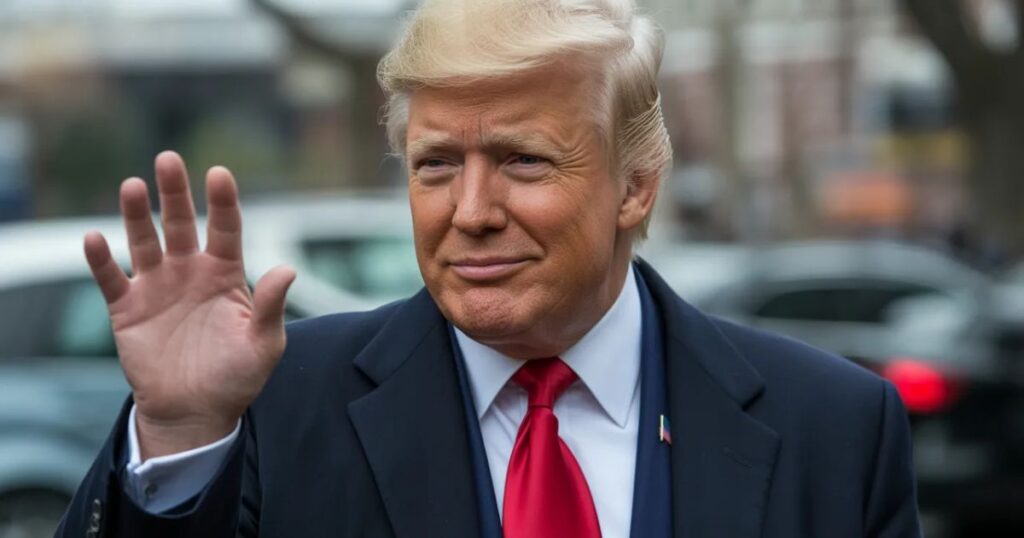
Donald Trump has remained one of the most influential and debated figures in modern global politics, shaping discussions far beyond the borders of the United States. As the 45th U.S. president, his leadership style, bold communication, and unconventional decision-making redefined how world leaders interact on the international stage.
Trump’s approach to foreign policy, trade, and diplomacy challenged long-standing alliances while strengthening nationalist agendas. From economic sanctions to military strategies, his international relations choices affected markets, security, and political stability worldwide. Even after leaving office, his political influence continues to shape elections, public opinion, and global debate. Understanding Trump’s policies helps explain shifting power dynamics in today’s worldwide impact of modern leadership.
Who Is Donald Trump? Background and Political Journey
Donald Trump entered politics as a disruptor. He challenged elite norms and promoted a strong Republican foreign policy rooted in nationalism. His rise reflected frustration with globalism and doubts about the Democratic foreign policy stance that dominated for decades.
During his presidency, Trump rejected consensus thinking. He questioned alliances and institutions. Supporters saw strength. Critics saw risk. Either way, his approach permanently altered how the world responds to American power.
Trump Administration Policies and Their Global Impact
The Trump administration proposal style favored speed and pressure. From tariffs to sanctions, Trump used leverage openly. This approach reshaped American global influence, especially among allies used to quieter diplomacy.
Institutions like the Council on Foreign Relations (CFR) studied these shifts closely. Experts noted how unilateral moves changed trust. Yet Trump argued that visible strength protected American interests better than tradition.
Trump and Foreign Conflicts: Middle East, Ukraine, and Global Wars
The Israel Gaza conflict tested Trump’s instincts. His firm backing of Israel aligned with long-standing American interests in Middle East politics. Critics warned of Middle East war escalation, while supporters praised clarity in US Middle East strategy rooted in security over diplomacy.
In Europe, Ukraine military aid became central. Trump questioned costs while navigating Russia Western tensions. Analysts like Thomas Graham stressed understanding Putin geopolitical strategy. The debate reshaped NATO and European security, even as US support for Ukraine and Russia sanctions policy stayed central.
Environmental Policies Under Trump and Climate Change Debate
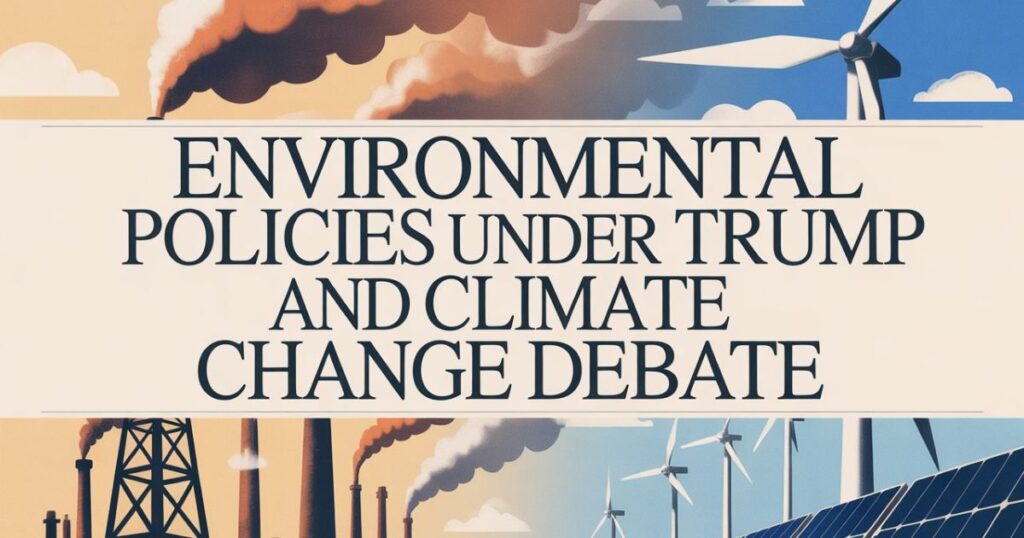
Environmental policy sparked fierce conflict. Trump pushed environmental regulation rollback, arguing rules slowed growth. Critics warned this worsened the biodiversity crisis and weakened wildlife habitat protection tied to the Endangered Species Act (ESA).
The Impact of ESA rollback debate focused on science and law. Courts referenced the Supreme Court ruling 1995, which upheld strong ESA regulations under federal wildlife law. Environmental groups stressed that habitat destruction drives species extinction and that habitat loss leads to extinction.
| Key Issue | Long-Term Effect |
|---|---|
| Habitat loss | Irreversible extinction |
| Habitat modification | Reduced species survival |
| Government rescinding protections | Weak ecosystem stability |
Trump’s Role in International Diplomacy and Peace Deals
Trump favored deals over doctrines. The Abraham Accords showed how unconventional talks could shift old conflicts. Supporters saw progress. Critics feared shallow peace.
This approach reduced formal process. It relied on personal negotiation. Figures like Steven A. Cook argued limits remained, especially in fragile regions with deep historical wounds.
Trump, Media, and Global News Coverage
Trump’s relationship with media was combative. He bypassed filters through social platforms. This changed political communication worldwide.
Global outlets framed him as unpredictable. Yet this constant attention amplified his influence. Even critics admitted his voice shaped the global agenda daily.
US Economy, Trade Wars, and Global Markets Under Trump
The US China trade war defined Trump’s economic legacy. He imposed tariffs on Chinese imports to counter China export overcapacity. The goal was protecting American manufacturing jobs and strategic industries protection.
Economists debated results. Some factories returned. Prices rose. Concerns over trade deficit concerns persisted. The Beijing view of US election reflected how deeply trade became political.
| Economic Factor | Effect |
|---|---|
| Tariffs on Chinese imports | Higher consumer costs |
| US national debt growth | Rising inflation and interest payments |
| Federal spending analysis | Links to economic national security |
Public Reactions, Supporters, and Critics Worldwide

Trump inspired loyalty and resistance. Supporters admired strength. Critics feared isolation. Surveys like Arab Barometer showed declining U.S. appeal in some regions, alongside rising China influence in Arab world.
Domestically, debates over borders intensified. The US Mexico border crisis fueled the illegal immigration debate. Questions about border security responsibility, migrant surge causes, the asylum process United States, and the refugee system USA dominated headlines.
Trump’s Future Political Influence and 2024–2025 Outlook
Trump remains central to U.S. politics. A return could reshape climate policy by revisiting the Inflation Reduction Act 2022 and broader US climate policy debate. Supporters favor less regulation. Critics stress climate investment legislation and global climate leadership.
Technology will also matter. Trump allies discuss AI executive order repeal, new artificial intelligence governance, and a clearer National AI framework for US technology regulation.
Why Donald Trump Continues to Shape Global Politics
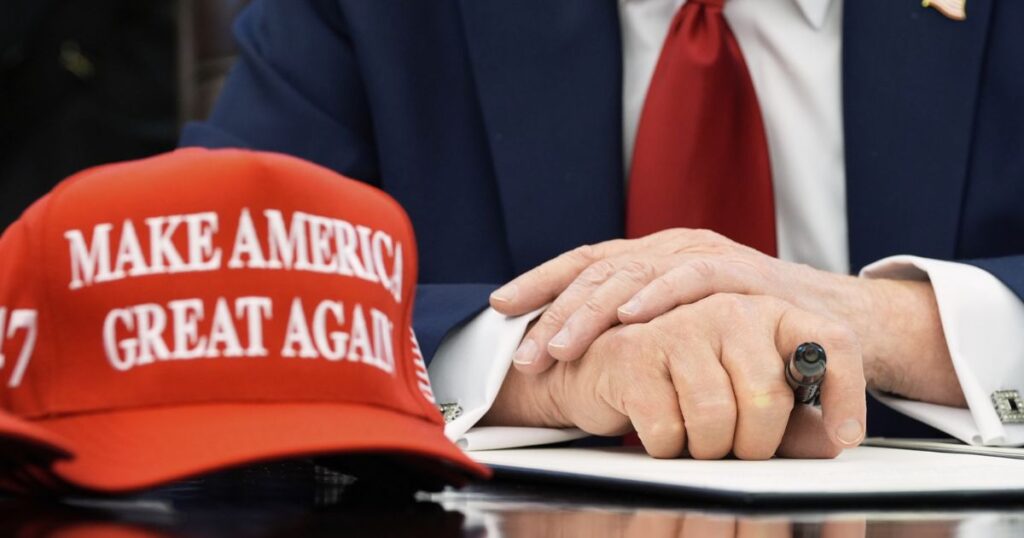
Donald Trump: Global Politics, Policies, and Their Worldwide Impact endures because consequences linger. Environmental debates highlight why habitat protection matters. Scientists warn destroying habitat kills wildlife and that extinction is forever. This underscores the sacred duty of stewardship and human responsibility to protect nature.
Legal battles continue. Groups pursue environmental justice through Earthjustice lawsuit filings and court intervention against senseless policy changes. Whether praised or opposed, Trump’s legacy shapes wars, trade, climate, and democracy itself. The message is clear. There is no room for error. The long-term environmental impact and global balance depend on choices made now, for conservation for future generations.
Meta Description
Donald Trump’s global politics and policies reshaped foreign relations, trade, and power dynamics, creating lasting worldwide impact.
FAQ
Trump’s policies list 2025
In 2025, Trump’s agenda focuses on strict immigration control, “America First” trade policies, border security expansion, energy independence, and reducing federal regulations.
Donald Trump – 3 most important foreign policy decisions/events
Withdrew from the Paris Climate Agreement, held direct talks with North Korea, and renegotiated NAFTA into the USMCA trade deal.
Trump foreign policy 2025
Trump’s 2025 foreign policy emphasizes national sovereignty, tougher trade terms, reduced foreign aid, and stronger pressure on China and Iran.
Trump foreign policy first term
His first term focused on America First diplomacy, trade wars with China, NATO burden-sharing, Middle East peace deals, and reduced U.S. global commitments.
Donald Trump – 3 most important domestic policy decisions/acts/events
Passed the Tax Cuts and Jobs Act, appointed conservative Supreme Court justices, and enforced strict immigration and border policies.